Navigating Geopolitical Headwinds: A 2026 Trade Outlook
An analysis of evolving global trade dynamics, from the shifting landscape of US protectionist policies to Vietnam's import surge and the precarious state of Canada-US relations.
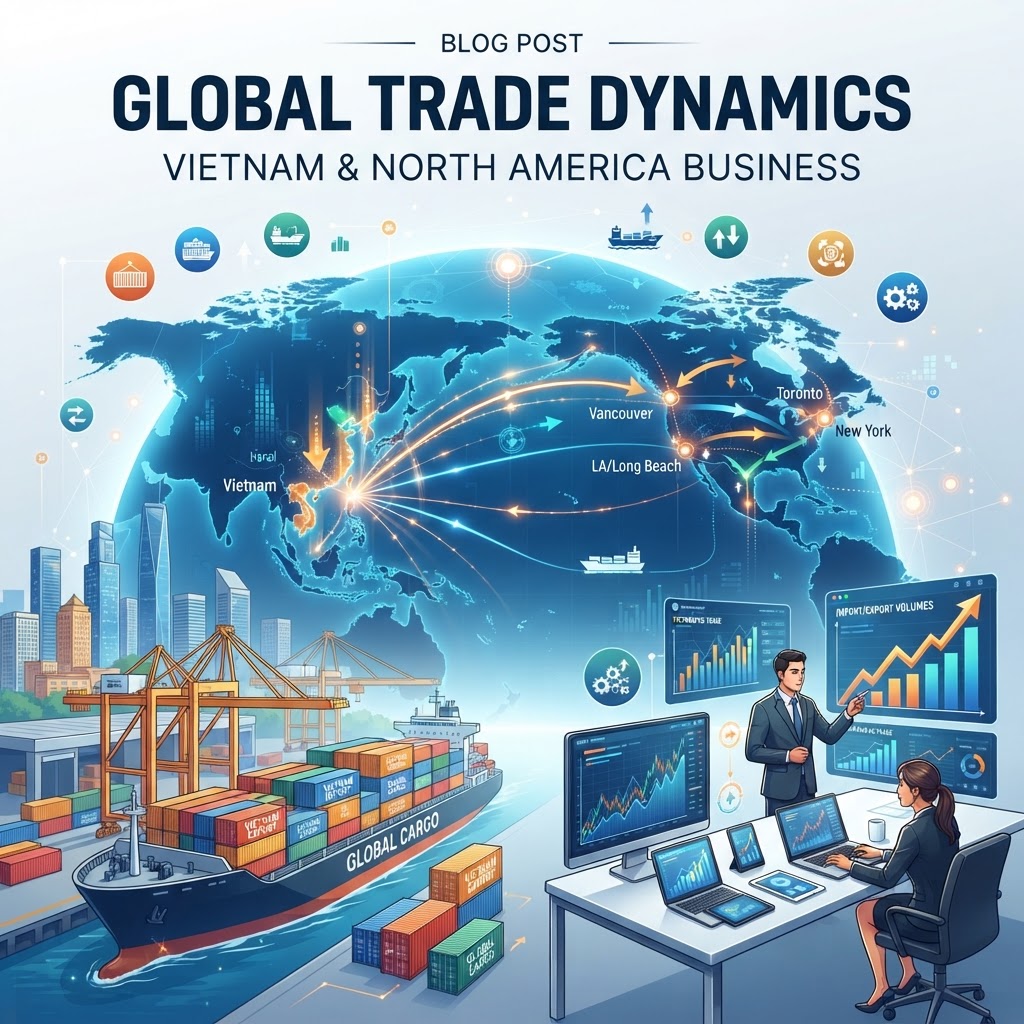
The global trade landscape in 2026 is defined by high-stakes volatility and a departure from traditional multilateral agreements toward highly transactional, firm-specific negotiations. While the year began with optimism fueled by AI-driven industrial growth, the rapid intensification of geopolitical conflicts, such as the war in Iran, has drastically shifted the economic outlook. For trade professionals, navigating this environment requires agility, as policy shifts in Washington and supply chain fluctuations in emerging markets like Vietnam redefine cost structures and market access. The current shift in U.S. trade policy is particularly noteworthy. The United States is increasingly utilizing Section 232 tariffs not merely as broad protectionist measures, but as levers for firm-specific bargains. By requiring individual corporate commitments in exchange for relief, the U.S. has transitioned into a more targeted, transactional interventionist model. This strategy forces companies to reconsider their lobbying and supply chain compliance efforts, as blanket relief is no longer the standard. Simultaneously, North American stability faces a stern test. Canada and the United States remain locked in difficult negotiations to avoid a potential 50 percent tariff on Canadian exports. With critical sectors like steel, aluminum, and lumber at stake, the looming August 2026 deadline represents a significant risk for regional supply chains. This friction reflects a broader trend of protectionism that complicates integration even between the closest of allies. In Southeast Asia, Vietnam provides a contrasting case study of trade pressures. After a period of robust growth, Vietnam has recorded its largest trade deficit on record as of mid-2026, driven largely by an import surge. This imbalance is intrinsically linked to the broader global instability stemming from the conflict in Iran, which has disrupted shipping and commodity pricing. Given that Vietnam’s trade relationship with the United States saw goods trade reach $209.5 billion in 2025, any volatility in Vietnam’s internal economic stability has significant repercussions for global electronics and manufacturing supply chains. For professionals, the takeaway is clear: diversification and localized legal strategies are paramount. Dependence on singular supply routes is increasingly dangerous, and corporate policy must be fluid enough to accommodate firm-specific tariff negotiations. Key News Sources: Big gap remains between Canada and U.S. in ongoing trade talks; Vietnam Posts Largest Trade Deficit on Record Driven by Imports Surge, Iran War; The United States is turning Section 232 tariffs into firm-specific bargains; Trade and Development Foresights 2026: Global economy faces geopolitical challenge; Vietnam | United States Trade Representative. In conclusion, the remainder of 2026 will likely be characterized by persistent uncertainty. As traditional trade norms yield to transactional politics and geopolitical shocks continue to ripple through the global economy, businesses must remain vigilant. Monitoring specific policy levers and diversifying manufacturing hubs will be the difference between operational continuity and disruption.
Key News Sources
-
Big gap remains between Canada and U.S. in ongoing trade talks (Global News) Canada and the United States are struggling to reach a trade agreement to avoid new 50 percent tariffs on Canadian exports scheduled for mid-August 2026. While the Canadian government aims to secure a deal to prevent these tariffs, significant disagreements persist regarding specific sectors like steel, aluminum, and lumber.
-
Vietnam Posts Largest Trade Deficit on Record Driven by Imports Surge, Iran War (Bloomberg) Vietnam experienced its largest trade deficit on record in mid-2026, largely driven by a significant surge in imports. This economic shift is linked to broader global instability, including the ongoing conflict in Iran.
-
The United States is turning Section 232 tariffs into firm-specific bargains (Global Trade Alert) The United States is increasingly utilizing Section 232 tariffs as a tool for firm-specific negotiations, requiring corporate commitments in exchange for tariff relief. This trend reflects a shift toward more targeted, transactional trade policy interventions.
-
Trade and Development Foresights 2026: Global economy faces geopolitical challenge (UNCTAD) The global economy began 2026 with stronger-than-expected growth driven by AI investment and industrial production. However, the outlook deteriorated rapidly following the intensification of geopolitical tensions in late February 2026.
-
Vietnam | United States Trade Representative (United States Trade Representative) The U.S. and Vietnam maintain a robust trade relationship, with total goods trade reaching approximately $209.5 billion in 2025. Despite significant growth in trade volume, the U.S. recorded a substantial goods trade deficit with Vietnam of $178.2 billion in 2025.
Last updated: August 19, 2026