Navigating Global Trade Shifts: Insights from North America and Vietnam
A deep dive into shifting trade dynamics, focusing on Vietnam's surging export power and the intense, high-stakes negotiations shaping North American trade relations.
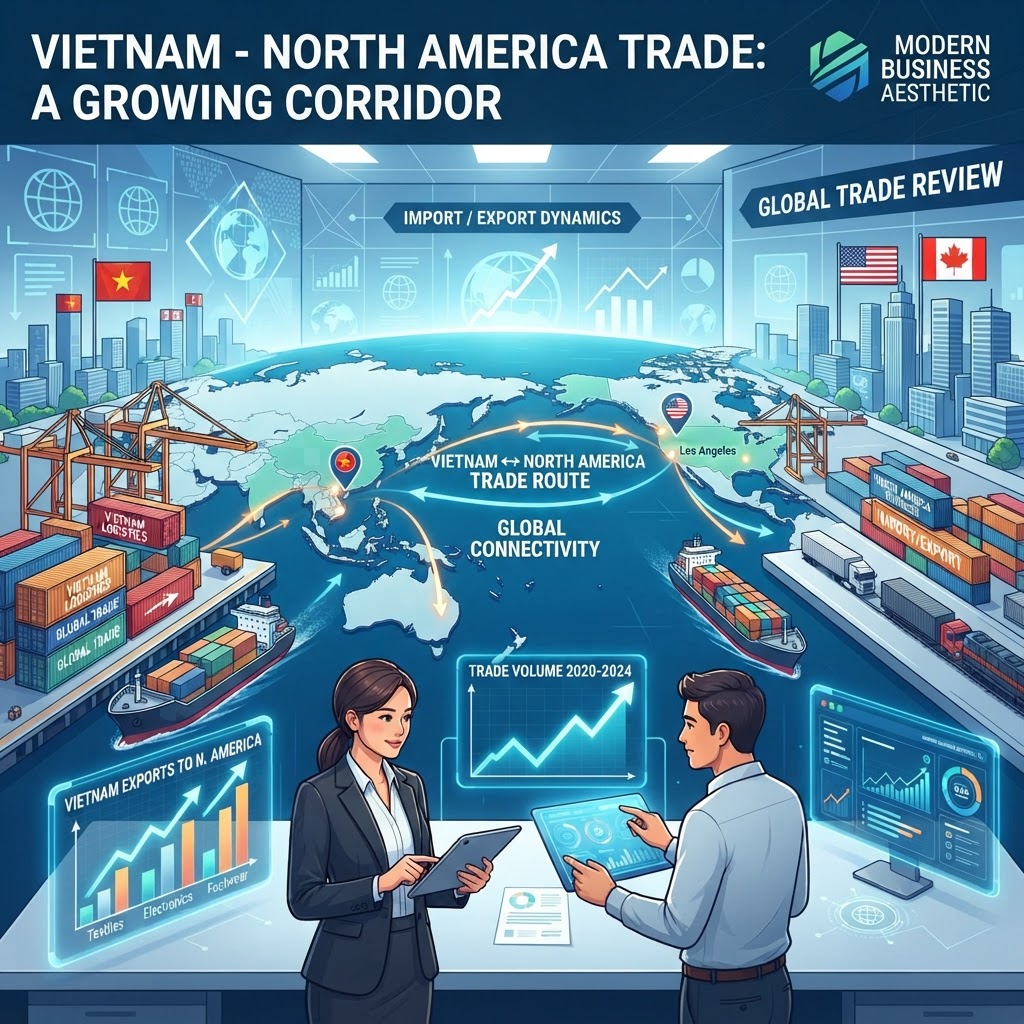
In the rapidly evolving landscape of global commerce, trade policy is no longer just a background administrative function—it is the front line of geopolitical and economic strategy. As nations recalibrate their supply chains and respond to protectionist pressures, two distinct stories are emerging: Vietnam's remarkable ascent as a manufacturing powerhouse and the volatile, high-stakes trade negotiations between the United States and Canada. Understanding these trends is essential for trade professionals seeking to mitigate risk and capitalize on emerging market opportunities. # The Rise of Vietnam in the Global Value Chain Vietnam has become a cornerstone of modern international trade, demonstrating a remarkable ability to integrate into the global market despite fluctuating external conditions. Recent data highlights that Vietnam’s trade surplus with the U.S. reached a record $121.6 billion in 2025, even under the shadow of existing tariffs. This resilience is not accidental; it is the result of deliberate policy decisions. By leveraging a network of comprehensive free trade agreements like the RCEP (Regional Comprehensive Economic Partnership) and the EVFTA (EU-Vietnam Free Trade Agreement), Vietnam has successfully diversified its economic dependencies. Furthermore, the country's strategic pivot toward high-tech manufacturing, bolstered by an extensive network of double tax avoidance agreements with over 80 nations, continues to attract significant foreign direct investment (FDI). For businesses, Vietnam offers a stable, diversified alternative to traditional manufacturing hubs, provided they navigate the local regulatory and tax landscape with precision. # North America: The High-Stakes Game of Tariff Diplomacy While Vietnam builds its influence through integration, the North American trade corridor is currently characterized by intense, deadline-driven diplomacy. The relationship between the U.S. and Canada has been tested by the looming threat of 50 percent tariffs on Canadian goods. This pressure has forced a rapid evolution in trade tactics, with Prime Minister Mark Carney leading a strategy that balances concessions—such as modifying dairy import licenses and addressing specific sector grievances—with a firm demand for a comprehensive, modernized trade agreement. The current focus on the automotive sector, as discussed in recent policy analysis, highlights how vital these discussions are for maintaining regional market access. The proposed reduction of tariffs on Canadian steel, aluminum, and autos, contingent on reciprocal actions regarding trade barriers for U.S. goods, underscores the fragility of the CUSMA framework. For professionals operating in this sphere, the key takeaway is agility. Companies must prepare for rapid shifts in customs policy and maintain a flexible supply chain that can pivot if tariff regimes change overnight. # Key News Sources - Vietnam's trade surplus with US hits record as exports surge despite tariffs - Trump expected to slash tariffs on Canadian goods, Carney asks premiers to put U.S. booze back on shelves - Midnight deadline looms as Canada seeks deal to avoid Trump's steep new tariffs - Canada Offers U.S. Concessions in Trade Talks but Demands a Comprehensive Deal - Don't Get Mad, Get Results: Closing the Canada-U.S. Trade Deal - Vietnam’s International Free Trade Agreements # Conclusion The divergence between the growth-oriented trade integration of Southeast Asia and the defensive, high-stakes restructuring of North American trade presents a complex map for global stakeholders. Vietnam continues to prove that smart policy and broad-market access can drive exponential growth. Meanwhile, the Canada-U.S. corridor serves as a stark reminder that even the most established trade partnerships require constant negotiation and commitment to survive modern protectionism. Professionals should remain vigilant, prioritizing diversified manufacturing bases while remaining ready to engage with the shifting regulatory requirements of the North American market.
Key News Sources
-
Vietnam's trade surplus with US hits record as exports surge despite tariffs (Reuters) Vietnam's trade surplus with the United States reached a record $121.6 billion during the first 11 months of 2025. This growth occurred despite the presence of tariffs and highlights the country's status as a top trading partner for the U.S.
-
Trump expected to slash tariffs on Canadian goods, Carney asks premiers to put U.S. booze back on shelves (CBC News) U.S. tariffs on Canadian steel, aluminum, and autos are expected to be reduced following negotiations. Prime Minister Mark Carney has requested that provincial leaders remove retaliatory measures against U.S. alcohol to facilitate the deal.
-
Midnight deadline looms as Canada seeks deal to avoid Trump's steep new tariffs (CBC) Canadian and U.S. officials are working to finalize a trade agreement to prevent the implementation of 50 percent tariffs. The potential deal includes provisions to lower steel tariffs and modify dairy import licenses.
-
Canada Offers U.S. Concessions in Trade Talks but Demands a Comprehensive Deal (The New York Times) Prime Minister Mark Carney is negotiating to prevent the imposition of 50 percent tariffs on Canadian goods. Canada is offering specific concessions while pushing for a broader, comprehensive trade agreement with the United States.
-
Don't Get Mad, Get Results: Closing the Canada-U.S. Trade Deal (Policy Magazine) The article discusses the erosion of CUSMA's credibility due to U.S. tariff threats and the importance of the automotive sector in current trade negotiations. It emphasizes that maintaining market access is critical for both Canadian exporters and foreign direct investment.
-
Vietnam’s International Free Trade Agreements (Vietnam Briefing) Vietnam has expanded its global trade integration through agreements like the RCEP and EVFTA, shifting its focus toward high-tech exports. The country also maintains double tax avoidance agreements with 80 countries, including Canada, to support foreign investment.
Last updated: August 21, 2026