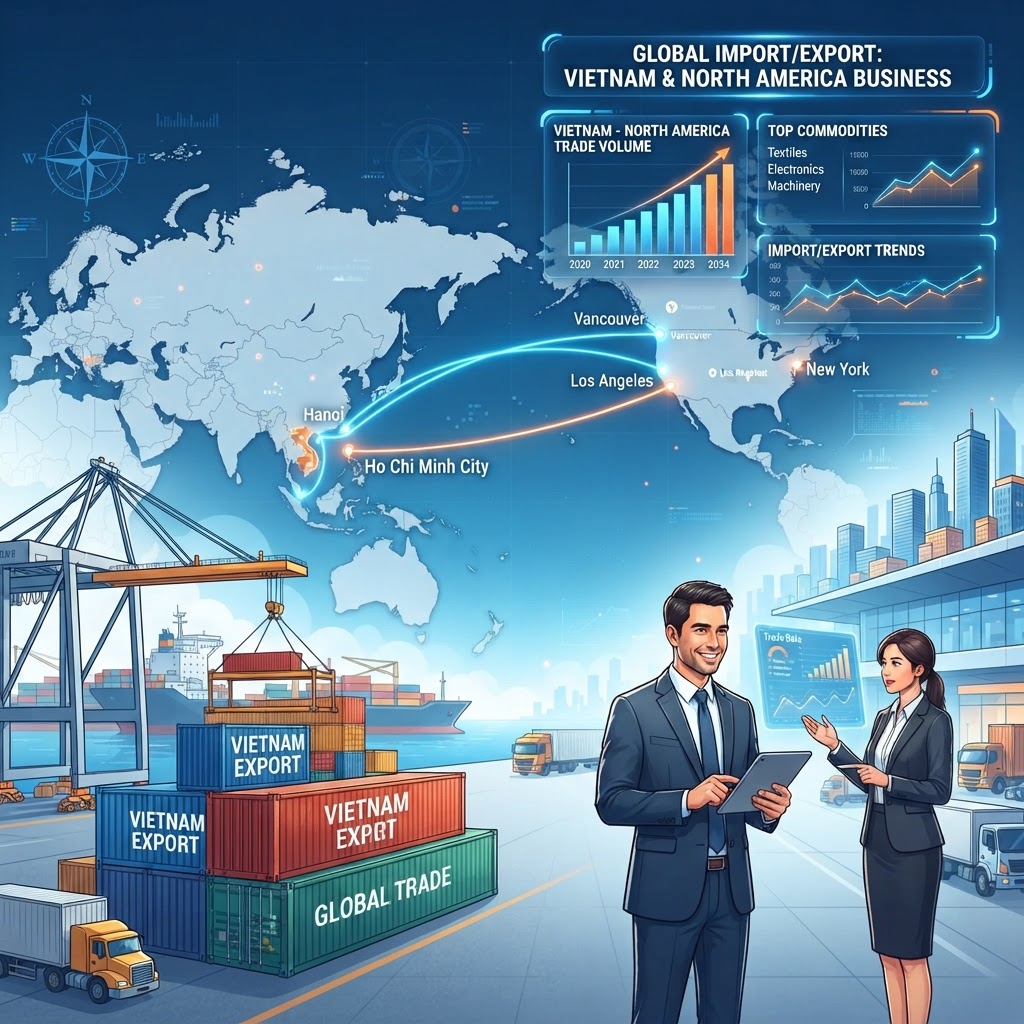
Navigating Global Trade Volatility: Summer 2026 Analysis
An in-depth look at global trade expansion, emerging regulatory shifts in Southeast Asia, and the heightened tensions within North American supply chains.
The global trade landscape in the summer of 2026 is defined by a dichotomy between raw financial growth and underlying structural volatility. While total trade values are soaring, fueled by persistent inflationary pressures on essential commodities and energy, professionals must look past the headline numbers to understand the risks embedded in current supply chain strategies. From East Asia's expansion to the sudden implementation of punitive tariffs in North America, the global trade environment requires heightened vigilance and proactive contingency planning. Global trade reached approximately US$13.7 trillion in the first half of 2026, a 12.5% increase year-over-year according to UNCTAD. However, this growth is largely a function of price hikes rather than a significant expansion in the volume of goods being shipped. For logistics and trade professionals, this signals that inflationary costs will remain a primary concern for the remainder of the fiscal year. Companies should pivot from volume-based forecasting to value-based risk assessment, as high input costs continue to compress margins. In Southeast Asia, trade dynamics are increasingly scrutinized by domestic regulators in key export markets. Recent findings from the U.S. International Trade Commission (USITC) regarding polypropylene corrugated boxes from Vietnam serve as a critical reminder that market access is not guaranteed. The USITC's determination that these goods were sold at less than fair value has triggered an antidumping duty order, creating a immediate barrier for importers relying on Vietnamese suppliers for these products. Businesses must now conduct more rigorous compliance audits of their Asian supply chains to identify potential exposure to antidumping or countervailing duties. Perhaps the most significant disruption to the current landscape is the collapse of trade negotiations between Canada and the United States. Following the expiration of deadlines without a new agreement, the Trump administration has moved to impose a 50% tariff on a broad range of Canadian imports. This move represents a tectonic shift for North American logistics, which have historically benefited from highly integrated cross-border supply chains. Organizations with high exposure to the Canada-U.S. corridor should immediately evaluate their sourcing strategies, prioritize tariff engineering where applicable, and prepare for potential price volatility as costs are inevitably passed downstream. In this era of rising protectionism and inflationary pressure, the ability to diversify sourcing and maintain agility in procurement is no longer a competitive advantage—it is a survival requirement. Key News Sources: 1. Global Trade Update (July/August 2026): https://unctad.org/publication/global-trade-update-julyaugust-2026-global-trade-continues-expand-amid-rising-price 2. Polypropylene Corrugated Boxes from Vietnam Injure U.S. Industry: https://www.usitc.gov/press_room/news_release/2026/er0623_68792.htm 3. American tariffs on Canadian goods take effect after trade talks fall apart: https://www.cbc.ca/news/canada/canada-us-tariffs-trump-imposes-new-50-per-cent-levy-on-canadian-goods-august-22-9.7311417. To conclude, the second half of 2026 will test the resilience of global trade networks. Whether through inflationary challenges in the energy sector or the sudden onset of trade barriers, the trend toward isolationism and protectionism is intensifying. Professionals must remain agile, relying on robust compliance data and diversified partnerships to mitigate these systemic risks.
Key News Sources
-
Global Trade Update (July/August 2026): Global trade continues to expand amid rising price pressures (UN Trade and Development (UNCTAD)) Global goods trade reached approximately US$13.7 trillion in the first half of 2026, marking a 12.5% increase from the previous year. However, much of this growth is attributed to rising prices for energy and commodities rather than increased trade volumes, with East Asia leading the expansion.
-
Polypropylene Corrugated Boxes from Vietnam Injure U.S. Industry, Says USITC (United States International Trade Commission) The U.S. International Trade Commission determined that imports of polypropylene corrugated boxes from Vietnam are being sold at less than fair value, causing material injury to the U.S. industry. Consequently, the Department of Commerce will issue an antidumping duty order on these imports.
-
American tariffs on Canadian goods take effect after trade talks fall apart (CBC) The Trump administration has imposed a 50% tariff on billions of dollars worth of Canadian goods following the collapse of recent trade negotiations. The new levies took effect immediately after the deadline for a new agreement passed without a deal.
Last updated: August 22, 2026