Navigating the New Trade Reality: Strategic Shifts in Vietnam and North America
Global trade is facing a period of intense volatility as supply chain dependencies and geopolitical tensions redefine import and export strategies. This analysis explores the shifting landscape for Vietnam and the strained trade relationship between Canada and the United States.
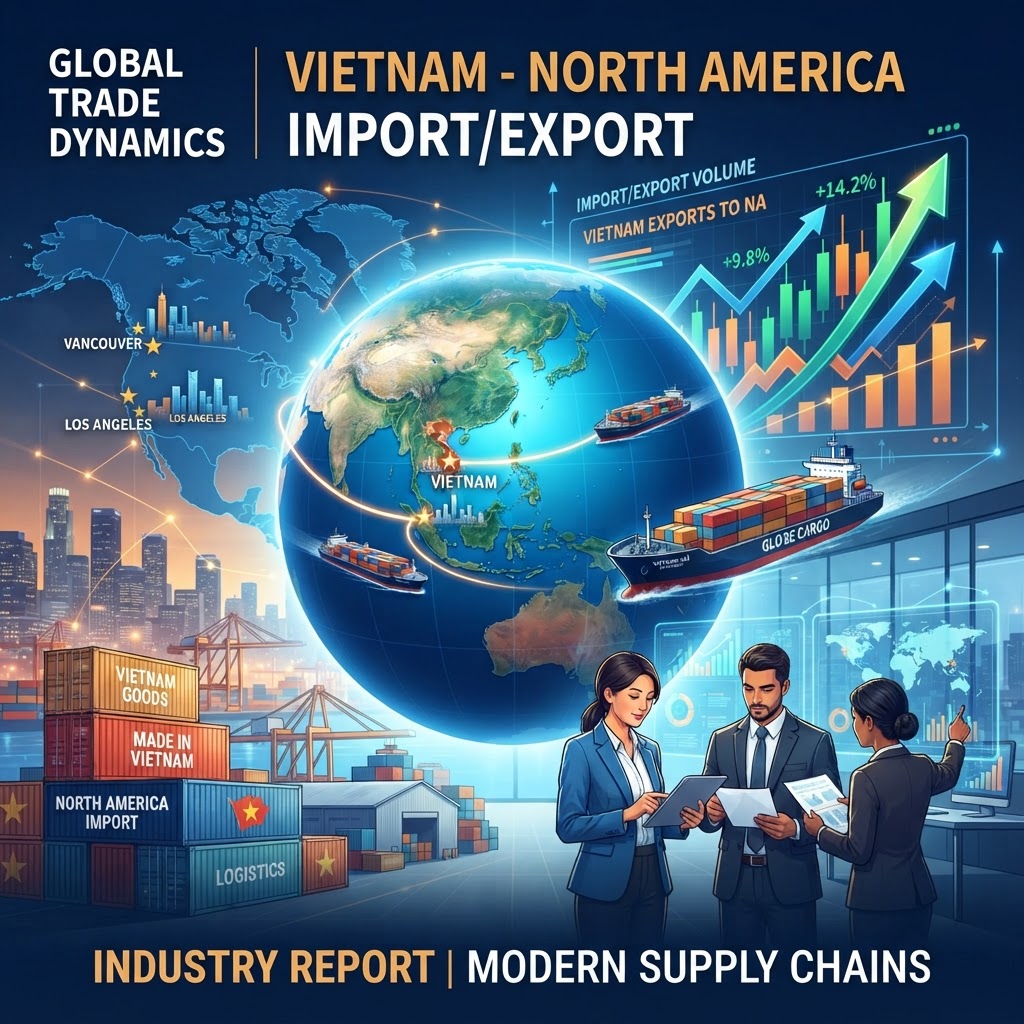
The global trading landscape is currently undergoing a structural transformation characterized by increased protectionism and the urgent need for supply chain diversification. As established trade alliances face pressure, nations are forced to recalibrate their economic strategies to manage rising costs and political friction. For trade professionals, navigating this environment requires a sharp focus on both emerging regional hubs like Vietnam and the ongoing volatility in North American markets. ## Vietnam: Balancing Export Success with Economic Pressures. Vietnam has emerged as a cornerstone of the global manufacturing shift; however, recent data highlights significant vulnerabilities. In May 2026, the nation recorded an unprecedented trade deficit of $5.21 billion. This shift is driven largely by the high cost of essential inputs, including energy and semiconductor components. While Vietnam remains a manufacturing powerhouse, its reliance on imported high-tech materials makes it susceptible to global price shocks. Furthermore, the specter of new tariffs from the United States poses a substantial risk to exporters who have benefited from the pivot away from other Asian manufacturing hubs. To mitigate these risks, Vietnam is actively seeking to broaden its international footprint. Recent dialogues with Canada underscore a strategic intent to diversify trade partners and strengthen supply chain connectivity. With bilateral trade reaching $8.6 billion in 2025, the Vietnam-Canada corridor serves as a critical alternative for businesses aiming to reduce over-reliance on traditional, high-friction markets. ## North America: A Tense Standoff. The trade relationship between Canada and the United States is currently experiencing a critical inflection point. Following the failure to finalize a comprehensive trade agreement, the two nations have entered a period of retaliatory measures and heightened uncertainty. Despite temporary reprieves in tariff implementation, the underlying tensions remain unresolved. Canadian officials are currently engaged in intensive internal consultations with provincial and territorial ministers, signaling that the federal government is bracing for a protracted period of trade instability. For businesses operating within the USMCA framework or cross-border logistics, this standoff represents a major operational risk. The unpredictability of these negotiations suggests that companies should prioritize supply chain resiliency and contingency planning over long-term cost optimization strategies. ## Key News Sources. - Vietnam posts record trade deficit as US renews tariff risks (Bloomberg) - Vietnam, Canada seek broader trade cooperation (VietnamPlus) - Canada walked away from a U.S. trade deal. What happens now? (The Conversation) - Minister LeBlanc and Chief Trade Negotiator update provincial and territorial Trade Ministers on Canada-U.S. trade negotiations (Global Affairs Canada) ## Conclusion. The current trade environment is defined by fragility. In Vietnam, the struggle to balance domestic growth with import-heavy industrial requirements highlights the need for more localized supply chains. Simultaneously, the Canada-US relationship serves as a stark reminder that even the most integrated economies are not immune to political realignment. Trade professionals must remain agile, utilizing these geopolitical insights to build robust, flexible, and diversified supply networks capable of weathering the inevitable storms of international policy shifts.
Key News Sources
-
Vietnam posts record trade deficit as US renews tariff risks (Bloomberg) Vietnam's trade deficit reached a record high of $5.21 billion in May 2026, driven by surging import costs for energy and semiconductor components. Exporters are simultaneously bracing for potential new tariffs from the United States.
-
Vietnam, Canada seek broader trade cooperation (VietnamPlus) Vietnam and Canada have agreed to strengthen economic ties and supply chain connectivity to navigate global trade uncertainties. Bilateral trade reached $8.6 billion in 2025, with Canada serving as a key partner for Vietnam in the Americas.
-
Canada walked away from a U.S. trade deal. What happens now? (The Conversation) Canada and the U.S. failed to finalize a trade agreement after negotiations stalled, leading to a retaliatory tariff battle. Despite a brief delay in tariffs by the U.S. President, the two nations remain in a tense trade standoff.
-
Minister LeBlanc and Chief Trade Negotiator update provincial and territorial Trade Ministers on Canada-U.S. trade negotiations (Global Affairs Canada) Canadian officials met with provincial and territorial leaders to discuss the latest developments in ongoing trade negotiations with the United States. The meeting focused on managing the economic relationship amid the threat of looming tariffs.
Last updated: September 27, 2026